

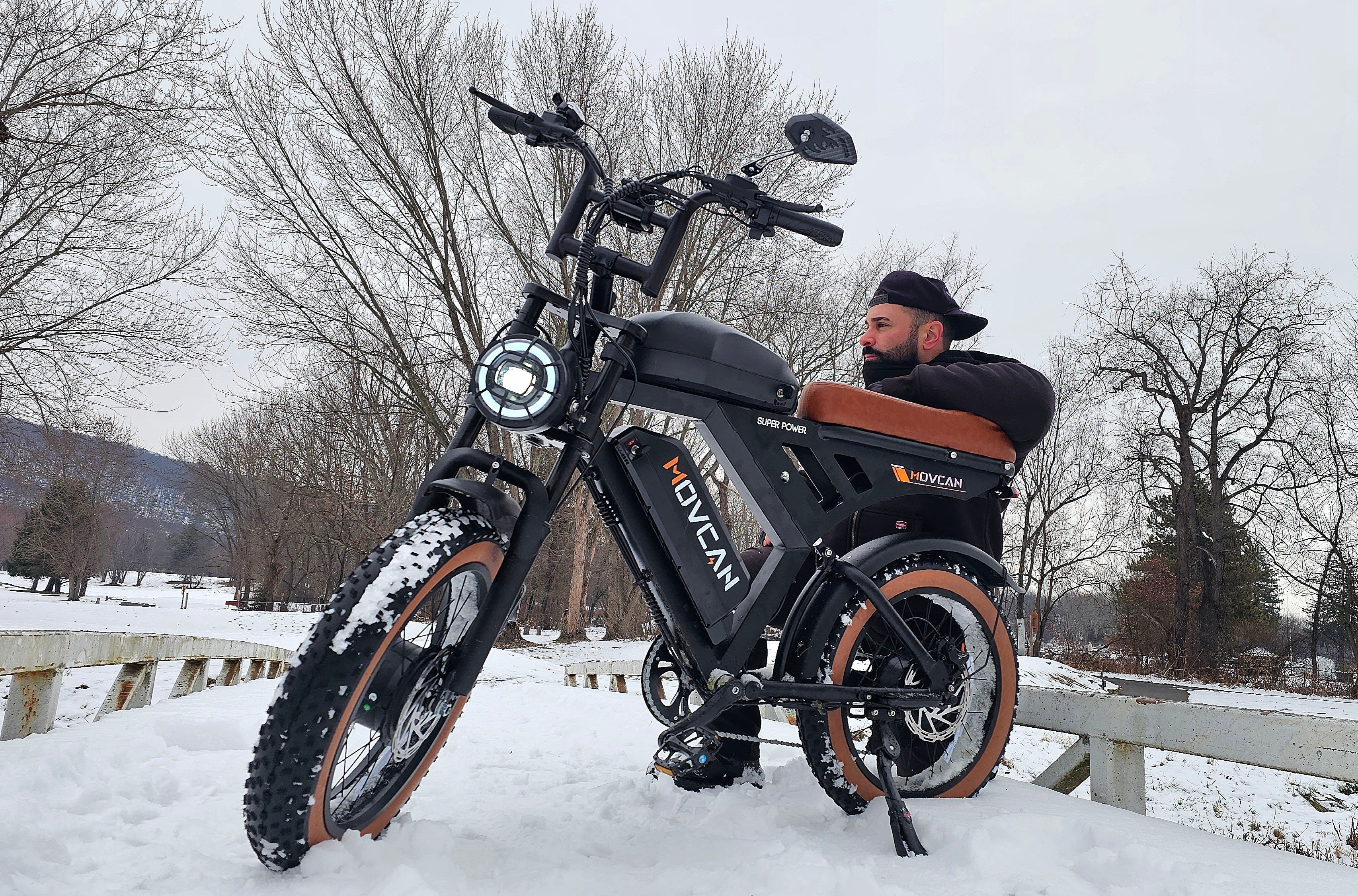
If you've noticed your e-bike range dropping as temperatures fall, you're not imagining things. Cold weather is one of the biggest factors affecting e-bike battery performance, and it's a challenge faced by riders everywhere—from daily commuters to weekend adventurers.
The good news? Cold temperatures don't permanently reduce your battery's capacity. Instead, they temporarily limit how efficiently your battery can deliver power. Understanding why this happens and how to minimize winter range loss can help you ride farther and protect your battery throughout the colder months.
While winter temperatures can affect your day-to-day riding range, they don't necessarily shorten the overall lifespan of your battery. If you're also wondering how many years an e-bike battery can last, be sure to check out our complete guide on battery longevity.
How Much Range Do E-bikes Lose in Cold Weather?
The amount of range loss depends on temperature, riding style, terrain, and battery size, but most riders begin noticing reduced performance once temperatures fall below 50°F (10°C).
Here's a general guideline:
|
Temperature |
Typical Range Reduction |
|
50°F (10°C) |
5–10% |
|
32°F (0°C) |
15–30% |
|
14°F (-10°C) |
30–40%+ |
For example:
|
Normal Weather Range |
Winter Range Estimate |
|
60 Miles |
45–50 Miles |
|
80 Miles |
60–68 Miles |
|
120 Miles |
90–105 Miles |
A long-range dual-battery e-bike such as the Movcan V30 Pro Max may still achieve approximately 90–105 miles of pedal-assist range even in near-freezing temperatures, thanks to its larger energy reserve.
Why Does Cold Weather Reduce E-bike Range?

Mme zany riders assume the motor works harder in winter, but the real cause is battery chemistry.
Lithium-ion batteries rely on chemical reactions to store and release energy. When temperatures drop, those reactions slow down.
Increased Internal Resistance
Cold temperatures increase the battery's internal resistance, making it more difficult for energy to flow efficiently from the cells to the motor.
Voltage Sag Under Load
When you accelerate, climb hills, or use higher pedal-assist levels, the battery experiences greater demand. In cold weather, voltage drops more dramatically under load.
As a result:
-
The display may show a lower battery percentage.
-
Power output may feel weaker.
-
The bike may enter low-voltage protection sooner.
Temporary, Not Permanent
The important thing to remember is that cold weather doesn't permanently remove energy from the battery.
Once the battery warms back up, much of the lost performance returns.
5 Pro Tips to Extend E-bike Range in Winter
1. Store Your Battery Indoors
This is the single most effective thing you can do.
Never leave your battery outside overnight or in an unheated garage if temperatures are near or below freezing.
Store it indoors at room temperature whenever possible.
A warm battery performs significantly better than a cold one.
2. Let the Battery Warm Up Before Charging
Charging a battery that's below freezing can damage lithium-ion cells and accelerate degradation.
If your battery has been sitting in a cold environment:
-
Bring it indoors.
-
Allow it to reach room temperature.
-
Then begin charging.
This simple habit can significantly improve long-term battery health.
3. Start Your Ride Gently
Avoid immediately using maximum throttle or the highest pedal-assist level.
For the first few miles:
-
Use a lower PAS setting.
-
Pedal more actively.
-
Allow the battery to warm itself through normal operation.
You'll often notice power output improve after the battery reaches operating temperature.
4. Maintain Proper Tire Pressure
Cold air naturally reduces tire pressure.
Underinflated tires create more rolling resistance, which forces your motor to consume additional power.
Check tire pressure at least once per week during winter and keep it within the manufacturer's recommended range.
5. Reduce Excessive Throttle Use
Throttle-only riding demands more current from the battery, especially in cold conditions.
To maximize winter range:
-
Use pedal assist whenever possible.
-
Maintain a steady cruising speed.
-
Avoid rapid acceleration.
The less strain placed on the battery, the farther you'll ride.
Common Winter Battery Mistakes to Avoid
Many riders unknowingly reduce battery performance by making these mistakes:
Charging a Frozen Battery
Never charge a battery that is below freezing.
Doing so can permanently damage battery cells.
Leaving the Battery in a Vehicle Overnight
Cars and trucks can become extremely cold overnight, exposing the battery to damaging temperatures.
Storing Batteries Below Freezing for Long Periods
Occasional exposure is generally acceptable, but long-term storage should occur in a climate-controlled environment.
Using Full Power Immediately After Startup
Allow the battery time to warm naturally before demanding maximum output.
Ignoring Tire Pressure
Even a small drop in pressure can noticeably impact efficiency and range.
Does a Dual-Battery E-bike Perform Better in Winter?
In many cases, yes.
A dual-battery system doesn't eliminate cold-weather efficiency loss, but it does provide a larger energy reserve.
Riders using long-range models such as the Movcan V30 Pro Max often experience less range anxiety during winter because the combined battery capacity helps compensate for temporary efficiency reductions caused by low temperatures.
For riders who regularly commute in cold climates or take long-distance rides, dual-battery systems offer an additional layer of confidence when temperatures drop.
Should You Use a Battery Cover?
A battery cover or neoprene battery sleeve can be a worthwhile investment for winter riding.
Benefits include:
-
Improved heat retention
-
Better protection from cold wind
-
Reduced exposure to snow and moisture
-
More stable battery temperatures during long rides
Battery covers won't completely eliminate range loss, but they can help maintain performance in temperatures near freezing.
FAQ
Q: Will cold weather permanently damage my e-bike battery?
Not if it's handled correctly.
The reduced range you experience in winter is typically temporary. Once the battery warms up, performance largely returns to normal.
The biggest risk comes from charging a battery while it is frozen.
Q: Can I ride my e-bike in the snow?
Yes, provided road conditions are safe and your tires have adequate traction.
However, expect reduced range, slower battery performance, and potentially longer stopping distances.
Q: What temperature is too cold for an e-bike battery?
Most manufacturers recommend avoiding charging below 32°F (0°C).
For storage, temperatures between 50°F and 77°F (10°C–25°C) are generally ideal.
Q: Does pedal assist save battery in winter?
Yes.
Using lower pedal-assist levels and contributing more human power reduces current demand and helps maximize available range.
Q: Does the Movcan V30 Pro Max dual-battery system help in winter?
Yes.
Because the V30 Pro Max uses a dual-battery setup, riders have more total capacity available. This larger energy reserve helps maintain practical riding range even when cold temperatures temporarily reduce battery efficiency.
Final Thoughts
Cold weather can reduce e-bike range by 15–40% depending on temperature and riding conditions, but it doesn't have to ruin your riding season.
By storing your battery indoors, avoiding frozen charging conditions, maintaining tire pressure, and using pedal assist strategically, you can significantly reduce winter range loss and keep your e-bike performing reliably throughout the colder months.
The key takeaway is simple: a warm battery is an efficient battery.
Treat your battery well during winter, and it will reward you with better performance, longer lifespan, and more enjoyable rides year-round.
E-bike Range Resource Center
Continue learning how to maximize performance and battery life: