

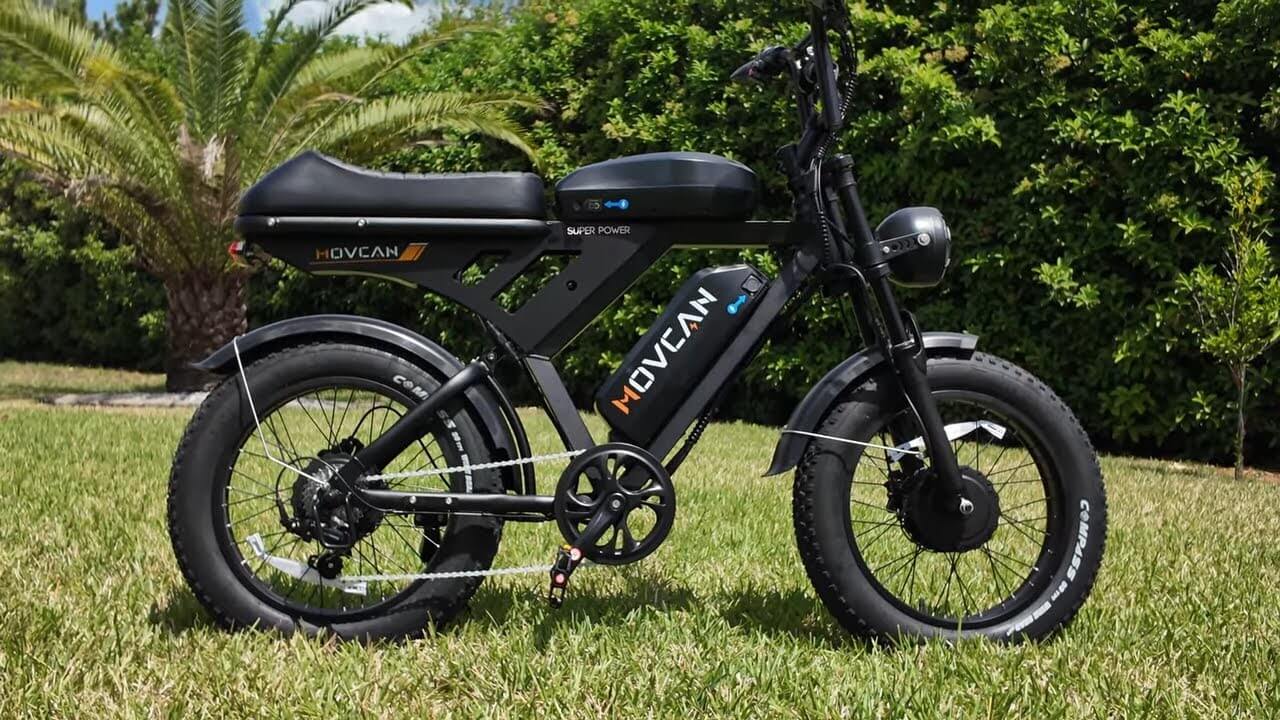
The global e-bike market has exploded to $37.47 billion by 2022, with over 200 million registered e-bikes in China alone and European sales reaching 22 million units. As this transportation revolution accelerates, countries are establishing diverse regulatory frameworks that reflect their unique cultural attitudes toward cycling, urban planning needs, and safety priorities. This comprehensive comparison reveals how e-bike laws differ across continents and what these variations mean for riders and the industry.
The Global E-Bike Classification Landscape
North America: The Three-Class System
United States The US operates under a complex federal-state regulatory structure where 37 out of 44 states with e-bike definitions have adopted the three-class system:
- Class 1: Pedal-assist only, 20 mph (32 km/h) maximum
- Class 2: Throttle-assisted, 20 mph (32 km/h) maximum
- Class 3: Pedal-assist only, 28 mph (45 km/h) maximum
Key Features:
- Federal motor power limit: 750 watts
- No federal licensing or registration requirements
- State-specific helmet laws and age restrictions
- Varies significantly by state and local jurisdiction
Canada Similar to the US but with lower power limits:
- Motor power limit: 500 watts (vs 750W in US)
- Speed limit: 32 km/h (20 mph)
- Provincial helmet requirements
- Generally follows power-assisted bicycle (PAB) classification
Europe: Unified Standards with Local Variations
European Union Framework The EU has established the most harmonized e-bike regulations globally under directive 2002/24/EC:
Standard E-bikes (Pedelecs):
- Motor power: 250 watts maximum
- Speed limit: 25 km/h (15.5 mph) assistance cutoff
- Pedal-assist only (no throttle)
- No licensing or registration required
Speed Pedelecs (S-Pedelecs):
- Motor power: Up to 4,000 watts in some countries
- Speed limit: 45 km/h (28 mph)
- Classified as mopeds requiring registration, insurance, and helmets
- License requirements vary by country
Country-Specific Variations:
Germany 2025:
- Minimum age: 15 years for all e-bikes
- Helmet mandatory for S-Pedelecs only
- E-bikes allowed on bike lanes; S-Pedelecs on roads only
Netherlands:
- Minimum age: 16 years
- Helmet requirements for S-Pedelecs
- Standard e-bikes treated as regular bicycles
United Kingdom (Post-Brexit):
- Maintains EU-similar standards: 250W/25 km/h
- Minimum age: 14 years
- EAPC (Electrically Assisted Pedal Cycles) classification
- Throttle allowed up to 3.7 mph (6 km/h) for "walk mode"
Asia: Strict Registration and Local Complexity
China - World's Largest E-bike Market With over 200 million registered e-bikes, China has implemented comprehensive regulations:
National Standards (Effective April 2019):
- Motor power: Maximum 400 watts
- Speed limit: 25 km/h (raised from 20 km/h)
- Maximum weight: 55 kilograms
- Mandatory pedals required
- Universal registration requirement
Local Variations:
- Beijing: Requires driver's license plus bike registration
- Shanghai: Additional catalog of approved models
- Enforcement: Severe penalties including fines and imprisonment for unregistered bikes
Japan - High Adoption, Strict Rules Japan has one of the world's highest e-bike adoption rates (6 out of 10 bicycles are electric):
Regulations:
- Motor power: 250 watts maximum
- Speed limit: 24 km/h (15 mph)
- Pedal-assist only (throttle-based bikes classified as 50cc motorcycles)
- Universal registration required for all bicycles
- Recent enforcement crackdowns on illegal high-speed e-bikes
New 2025 Enforcement:
- Increased penalties for sidewalk riding, tailgating, and cell phone use
- Stricter classification of Chinese-imported high-speed e-bikes
Oceania: Balanced Approach
Australia Australia has adopted a pragmatic approach balancing safety with accessibility:
Standard E-bikes:
- Motor power: 250 watts (European EN15194 standard) or 200 watts for basic models
- Speed limit: 25 km/h assistance cutoff
- Must be pedal-assist only
- No licensing or registration required
2025 Updates:
- New South Wales: Motor power increased from 250W to 500W continuous
- Battery safety standards: New requirements effective February 2025
- Mandatory helmet use across all states
New Zealand Slightly more permissive power limits:
- Motor power: 300 watts maximum
- Speed limit: 32 km/h (20 mph)
- Helmet mandatory for all cyclists
- No licensing or registration for compliant e-bikes
Key Regulatory Differences Analysis
Motor Power Limits: The Global Divide
| Region | Standard Power Limit | High-Performance Option |
|---|---|---|
| Europe | 250W | Up to 4,000W (S-Pedelecs) |
| United States | 750W | Varies by state |
| Canada | 500W | N/A |
| China | 400W | N/A |
| Japan | 250W | 50cc classification |
| Australia | 250W/500W (NSW) | N/A |
| New Zealand | 300W | N/A |
Speed Limits: Cultural and Infrastructure Factors
15.5 mph/25 km/h Standard: Europe, UK, Australia 20 mph/32 km/h Standard: US (Class 1&2), Canada, New Zealand
28 mph/45 km/h High-Speed: US (Class 3), EU (S-Pedelecs)
Registration Requirements: The Great Divide
No Registration Required:
- United States (most states)
- Canada
- European Union (standard e-bikes)
- Australia
- New Zealand
Registration Required:
- China (universal)
- Japan (universal)
- Some US states (Alaska, Hawaii, Massachusetts)
Cultural Factors Shaping Regulations
Transportation vs. Recreation
- Europe: E-bikes viewed primarily as transportation tools, leading to conservative power limits but comprehensive infrastructure
- United States: Often seen as recreational vehicles, resulting in higher power limits but inconsistent infrastructure
- Asia: Utilitarian transportation focus with emphasis on public safety and order
Urban Density Impact Dense Asian cities favor strict regulations due to safety concerns in crowded environments, while spacious North American jurisdictions allow higher speeds and power.
Hot Topics and 2025 Regulatory Trends
Battery Safety Revolution
Global Response to Fire Hazards:
- California: New UL certification requirements for batteries
- New York City: Mandatory UL 2849 certification
- Australia: New safety standards effective February 2025
- China: Enhanced battery registration and tracking
Throttle Restrictions Tightening
2025 Developments:
- California: Complete throttle ban on Class 3 e-bikes
- Oregon: Throttle prohibition on Class 3 models
- Europe: Continued restrictions except for "walk mode"
Speed Pedelec Clarification
Countries are increasingly distinguishing between standard e-bikes and high-speed models:
- Germany: Enhanced S-Pedelec infrastructure
- Netherlands: Separate licensing tracks
- Japan: Crackdown on illegal high-speed imports
International Travel Considerations
Cross-Border Challenges
EU to UK: Post-Brexit, UK standards remain similar but independent US to Canada: Power limit differences (750W vs 500W) create compliance issues Import Restrictions: Many countries prohibit non-compliant e-bikes
Manufacturer Implications
Design Challenges:
- Global manufacturers must create region-specific models
- Software limitations for different markets
- Compliance certification costs
Market Access:
- EU certification opens access to 27 countries
- US compliance varies by state
- Asian markets require local registration and testing
Enforcement and Penalties
Strict Enforcement Regions
Japan:
- Criminal penalties for traffic violations
- Vehicle confiscation for non-compliance
- Heavy fines for unregistered bikes
China:
- Imprisonment possible for unregistered e-bikes
- City-specific enforcement variations
- Regular crackdowns on illegal modifications
Lenient Enforcement Regions
United States:
- Varies dramatically by jurisdiction
- Often education-focused rather than punitive
- Limited enforcement resources in many areas
Australia:
- Generally education-first approach
- Increasing focus on safety compliance
- State-by-state enforcement differences
Future Regulatory Convergence
Emerging Global Standards
Technical Harmonization:
- ISO standards development for e-bike safety
- Battery certification convergence (UN38.3)
- Motor power standardization discussions
Infrastructure Integration:
- Smart city planning incorporating e-bikes
- Vehicle-to-infrastructure communication
- Integrated traffic management systems
Policy Trends
Sustainability Focus:
- E-bike incentives and subsidies
- Car replacement programs
- Urban mobility integration
Safety Enhancement:
- Mandatory training programs
- Improved infrastructure requirements
- Technology-based safety features
Practical Recommendations
For International Travelers
- Research destination laws before traveling with e-bikes
- Check import requirements for temporary or permanent relocation
- Verify insurance coverage in destination countries
- Understand local enforcement patterns and penalties
For Manufacturers
- Design for strictest common denominator for global markets
- Implement software restrictions for different regions
- Obtain multiple certifications for key markets
- Monitor regulatory changes in target countries
For Policymakers
- Consider cultural context when adopting regulations
- Balance innovation with safety in regulatory frameworks
- Coordinate with neighboring jurisdictions for consistency
- Plan for technological advancement in long-term regulations
The Road Ahead
As e-bike adoption continues to accelerate globally, regulatory frameworks will likely evolve toward greater harmonization while maintaining cultural and infrastructural adaptations. The challenge lies in balancing innovation, safety, accessibility, and environmental goals across diverse political and cultural contexts.
Key developments to watch include:
- Technology integration: Smart speed limiters and geo-fencing
- Infrastructure evolution: Dedicated e-bike lanes and charging networks
- International cooperation: Trade agreements incorporating e-bike standards
- Safety innovation: Advanced rider assistance systems and mandatory safety features
Understanding these international differences is crucial for anyone involved in the e-bike ecosystem, from individual riders planning international trips to manufacturers designing global products. As the regulatory landscape continues to evolve, staying informed about these changes will be essential for maximizing the benefits of this transformative transportation technology.
Ready to explore e-bikes that meet international standards? Discover Movcan's collection of premium electric bikes designed with global compliance and quality in mind. Our e-bikes are engineered to meet the strictest international safety and performance standards.
External Resources: