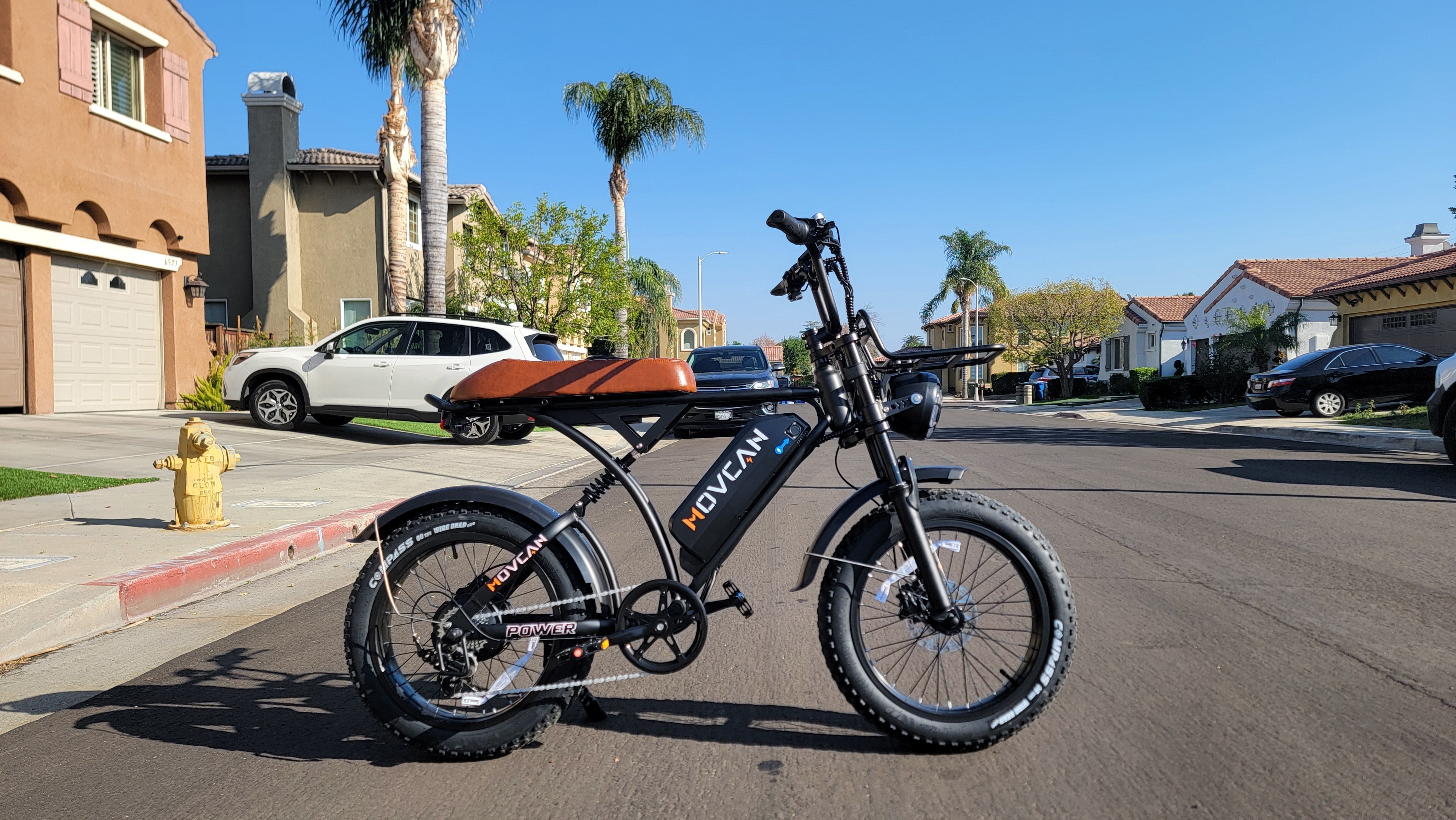
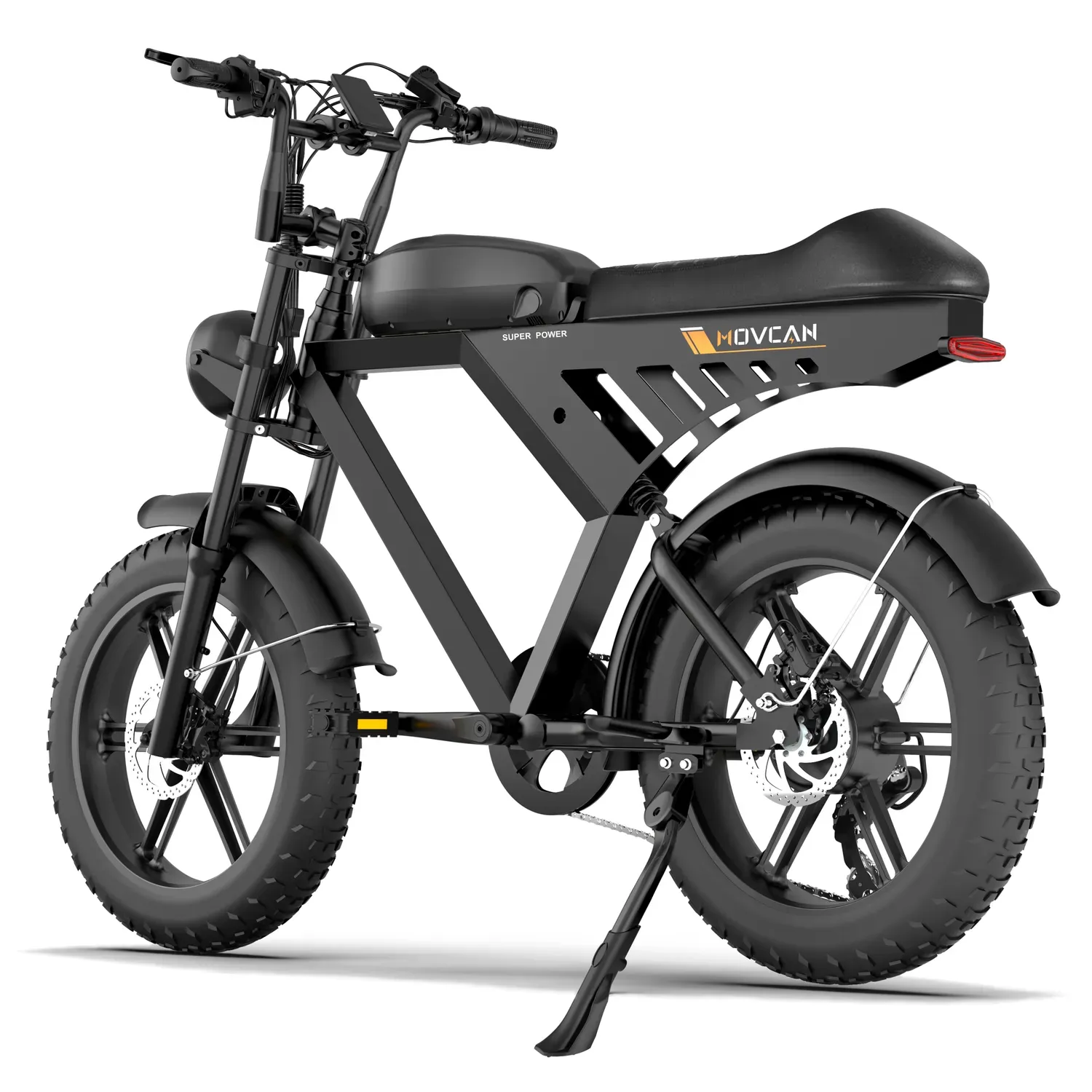
If you're shopping for an electric bike, one of the first questions you'll probably ask is: How fast can it actually go?
The answer isn't as simple as looking at the motor's wattage. An e-bike's top speed depends on several factors, including its motor, battery, rider weight, terrain, and even the speed limits where you ride.
Most electric bikes in the U.S. provide motor assistance up to 20 mph or 28 mph, depending on their class. However, some high-performance models are capable of reaching even higher speeds in the right conditions.
In this guide, we'll explain what affects e-bike speed, how fast different types of e-bikes can go, and what you should know before choosing a bike that fits your riding style.
How Fast Can an E-Bike Go on Average?
For most riders, the average speed of an electric bike falls between 20 mph and 28 mph.This range is mainly determined by e-bike classifications used in the United States:
Class 1
Pedal assist only
Motor support up to 20 mph
Class 2
Pedal assist + throttle
Motor support up to 20 mph
Class 3
Pedal assist only
Motor support up to 28 mph
While riders may exceed these speeds by pedaling downhill, the motor assistance stops once the speed limit is reached.
How Fast Can a 750W E-Bike Go?
Motor power plays a major role in determining an e-bike’s acceleration and performance.A 750W motor, which is the maximum allowed in many U.S. states, can typically reach 20–28 mph with motor assistance depending on the bike’s class and settings.Compared with smaller motors like 250W or 500W, a 750W motor offers:
- faster acceleration
- stronger hill-climbing ability
- better performance under heavier loads
Although the motor power increases performance, most manufacturers still limit the top speed to comply with legal regulations.
How Fast Can an E-Bike Go Without Pedaling?
Some e-bikes include a throttle mode, which allows the motor to propel the bike without pedaling.
Throttle-enabled e-bikes (typically Class 2 models) usually reach speeds of around 20 mph without pedaling.
However, when riders combine throttle and pedal assistance, they can reach the bike’s maximum assisted speed more quickly and maintain better efficiency.
How Fast Can an E-Bike Go Downhill?
When riding downhill, gravity adds additional speed beyond what the motor provides.
In these situations, riders can often exceed the motor-assisted limit. For example:
-
A Class 3 e-bike limited to 28 mph may reach 30–35 mph downhill
- Speed depends on rider weight, slope angle, and road conditions
However, riders should always prioritize safety and maintain control when descending at higher speeds.
What Factors Affect How Fast an E-Bike Can Go?
Several important factors influence the real-world speed of an electric bike.
Motor Power
Higher wattage motors deliver stronger acceleration and better performance on hills.
Rider and Bike Weight
Heavier loads require more energy to accelerate, which can slightly reduce speed.
Terrain
Smooth pavement allows faster riding, while gravel or sand increases resistance.
Battery Output
A high-quality battery helps maintain consistent power and smoother acceleration.
Legal Regulations
Many regions limit motor assistance to 20 mph or 28 mph, depending on the e-bike class.
How Fast Movcan E-Bike Go?
Modern high-performance electric bikes, including the
off road electric bike models, are designed to deliver strong acceleration and impressive top speeds while still complying with legal requirements.
The Movcan e-bike lineup offers several powerful models, including
off road electric bike options, built for riders who want both performance and versatility.
Some examples of Movcan e-bike top speeds include:
| Model |
Top Speed |
Model |
Top Speed |
| Movcan V30 |
28 mph |
Movcan V30 Pro |
32 mph |
| Movcan V30 Pro Max (Dual Motor) |
37.5 mph |
Movcan V30 Pro Max (Single Motor) |
31 mph |
| Movcan V60 |
30 mph |
Movcan V60 Pro |
33 mph |
| Movcan V70 |
35 mph |
Movcan EB60 |
35 mph |
To comply with regulations in the United States, these models are typically configured with speed limits that align with the three-class e-bike system, ensuring riders can use them legally in most states.
This combination of powerful motors, efficient batteries, and smart speed control allows Movcan e-bikes to deliver both performance and reliability for commuting, recreation, and adventure riding.
Conclusion
Electric bike speed depends on much more than just motor wattage. Factors like motor power, battery performance, terrain, rider weight, and local regulations all influence how fast an e-bike can actually go.
For everyday commuting, most riders will experience assisted speeds between 20 mph and 28 mph, while high-performance models can exceed 30 mph when used in appropriate settings. Choosing the right e-bike isn't just about achieving the highest top speed—it's about finding the right balance between performance, range, comfort, and safety.
Whether you're looking for a reliable commuter or a powerful off-road machine, understanding how e-bike speed works will help you select a model that matches your riding style and local regulations. With options ranging from everyday Class 2 bikes to dual-motor performance models, Movcan offers electric bikes designed for riders who want both speed and confidence on every ride.
FAQ About E-Bike Speed
Is 28 mph fast for an e-bike?
Yes. 28 mph is considered the maximum assisted speed for Class 3 e-bikes in the United States.
Can an e-bike go 40 mph?
Some high-performance or dual-motor electric bikes can approach 35–40 mph, but they may not be legal for street use in certain areas.
Does rider weight affect e-bike speed?
Yes. Heavier riders require more motor power, which can reduce acceleration and top speed slightly.
Is 20 mph fast on an e-bike?
Yes, 20 mph is fast for a bicycle. It is roughly double the cruising speed of an average, unassisted cyclist and places you at a pace where sudden stops or road hazards require sharp reflexes.
Does 7-speed mean 7 gears?
A 7-speed electric bike is equipped with seven rear gears that you can change using the handlebar shifter. These gears let you adjust how much effort you need to pedal, so riding feels easier on climbs and more efficient on flat or downhill sections.