

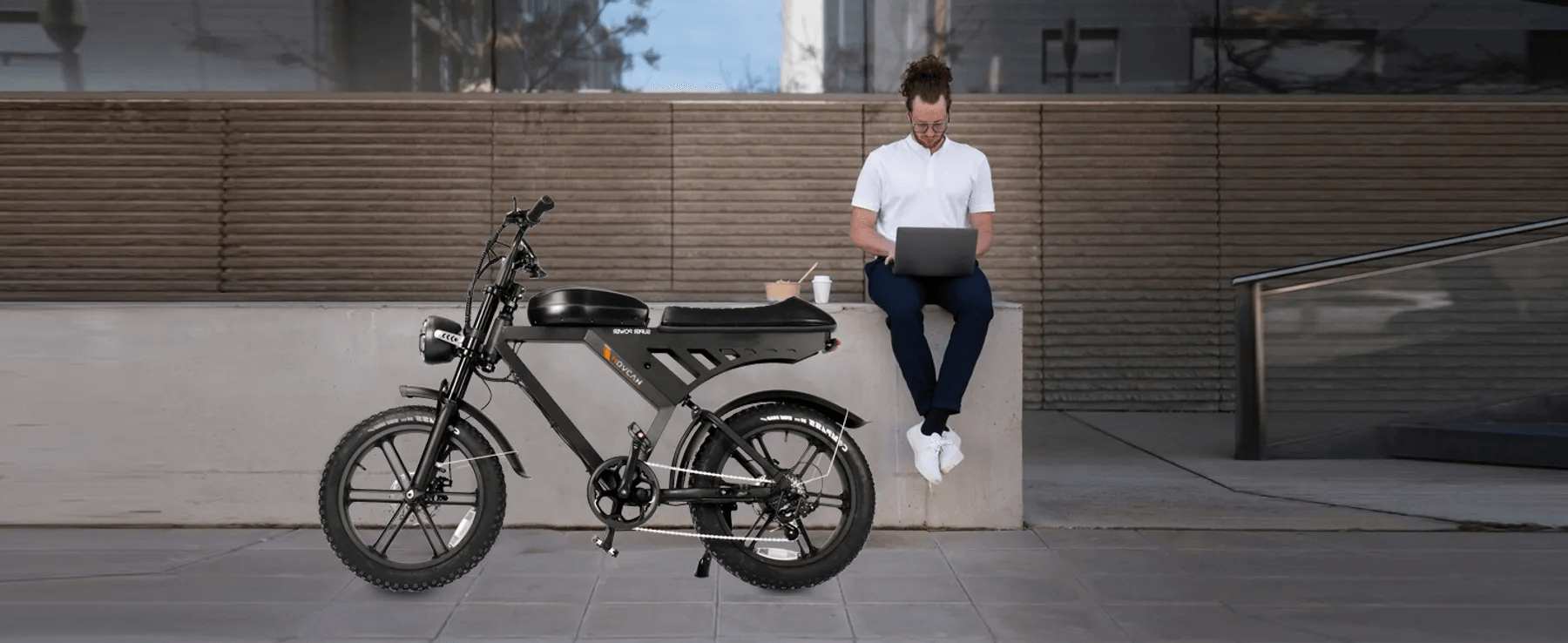
One of the most common concerns for e-bike riders is range anxiety—the worry about whether your battery will last for your entire planned ride. While manufacturers provide estimated ranges, these figures are typically based on ideal conditions that rarely match real-world riding. This comprehensive guide will help you understand the factors affecting your e-bike's range and provide practical strategies to extend your riding distance significantly.
Understanding E-Bike Range Fundamentals
Factors That Impact Range
Your e-bike's range is influenced by numerous factors working together:
Rider Variables
- Rider weight: Heavier riders require more energy
- Pedaling input: More human power means less battery consumption
- Riding style: Frequent stops and starts drain batteries faster
Environmental Factors
- Terrain: Hills consume significantly more battery than flat surfaces
- Wind resistance: Headwinds can reduce range by up to 25%
- Temperature: Cold weather can temporarily reduce capacity by 20-50%
- Surface conditions: Rough or soft surfaces increase power requirements
Mechanical Considerations
- Tire pressure: Underinflated tires significantly increase rolling resistance
- Drivetrain efficiency: Poor maintenance increases energy consumption
- Bike weight: Every extra pound requires additional energy
According to research published in the Journal of Power Sources, optimizing these factors can extend your e-bike's range by 25-50% compared to suboptimal conditions.
For a deeper understanding of battery technology, visit our Movcan battery technology guide.
Riding Techniques for Maximum Range
Efficient Pedaling Strategies
The way you pedal significantly impacts battery consumption:
Cadence Optimization
Maintaining an efficient cadence (pedaling rhythm) is crucial:
- Target 60-80 RPM for optimal efficiency
- Shift gears proactively to maintain this cadence on varying terrain
- Develop smoother pedaling by focusing on complete pedal strokes
Strategic Assistance Level Management
Modern e-bikes offer multiple assistance levels. Use them strategically:
- Reserve maximum assistance for steep hills or headwinds
- Use eco/low modes for flat sections and tailwinds
- Consider turning assistance off on downhills or when conditions are favorable
For Movcan-specific assistance level recommendations, check our Movcan model-specific guides.
Smart Route Planning
Planning your route with energy efficiency in mind can substantially extend range:
Terrain Considerations
- Plan routes with manageable elevation gain
- Consider loop routes that distribute climbing throughout the ride
- Be aware of wind direction and plan accordingly (headwinds early, tailwinds late)
Navigation Tools
Several apps can help optimize routes for e-bikes:
- Komoot offers specific e-bike routing options
- BikeMaps provides elevation data for smarter planning
- Strava allows analysis of previous rides for energy management
Research from the Transportation Research Board indicates that optimal route selection can improve e-bike range by up to 15% compared to the shortest-distance route.
Battery Optimization Techniques
Charging and Storage Best Practices
How you charge and store your battery impacts both immediate performance and long-term health:
Charging Protocols
- Avoid frequent partial charges if possible
- Allow occasional full charge cycles to recalibrate the BMS
- Don't leave the battery at 100% charge for extended periods
- Consider slower charging when time permits
Temperature Management
- Store and charge batteries at moderate temperatures (60-75°F/15-24°C)
- Pre-warm batteries in cold weather before riding
- Protect batteries from extreme heat during summer rides
- Consider insulating battery packs in very cold conditions
For comprehensive battery care information, read our detailed Movcan battery care guide.
Battery Upgrade Options
When standard range isn't sufficient, consider these upgrade paths:
Higher Capacity Batteries
- Verify compatibility with your specific e-bike model
- Consider weight trade-offs of larger batteries
- Evaluate cost versus range benefit
Dual Battery Systems
- Primary and range-extender configurations
- Internal plus external setups
- Parallel versus series connections
Movcan offers various compatible battery options. Explore our Movcan battery collection for model-specific upgrade options.
Mechanical Efficiency Improvements
Tire Selection and Maintenance
Tires create the most significant source of rolling resistance on your e-bike:
Pressure Optimization
- Maintain pressure near the maximum recommended PSI
- Check pressure before every ride (cold temperatures lower pressure)
- Consider slightly lower pressure only when comfort is a priority
Tread Pattern Selection
- Smoother treads roll more efficiently on pavement
- Balance traction needs with efficiency
- Consider seasonal tire swaps for optimal performance
Low Rolling Resistance Options
- Premium tire compounds can reduce rolling resistance by 10-15%
- Supple casing construction improves efficiency
- Tubeless setups allow lower pressures without pinch flat risks
According to a study from Bicycle Quarterly, optimal tire selection and pressure can improve efficiency by up to 10% compared to standard tires.
Drivetrain Maintenance
A clean, well-maintained drivetrain transfers power more efficiently:
Regular Cleaning
- Remove built-up grit and old lubricant
- Clean between cogs where debris accumulates
- Wipe chain plates to prevent dirt attraction
Proper Lubrication
- Choose lubricants appropriate for conditions
- Apply to chain rollers, not side plates
- Wipe excess lubricant after application
Drivetrain Component Optimization
- Consider efficiency-focused chains
- Evaluate low-friction pulley wheels
- Ensure proper derailleur alignment
For detailed maintenance procedures, read our Movcan drivetrain maintenance guide.
Aerodynamic Considerations
Reducing Wind Resistance
At speeds above 15 mph, aerodynamic drag becomes a significant factor:
Rider Position
- Slightly lower, more forward position reduces frontal area
- Tuck elbows in rather than riding with wide arm position
- Consider drop bars for bikes used primarily at higher speeds
Equipment Optimization
- Streamline cargo carrying with aerodynamic bags instead of panniers
- Remove unnecessary accessories when maximum range is needed
- Consider the aerodynamic impact when selecting fenders and racks
Clothing Choices
- Fitted clothing creates less wind resistance than loose garments
- Consider aerodynamic helmets for commuters riding at higher speeds
- Minimize loose or flapping items
Technological Solutions
Regenerative Braking Systems
Some advanced e-bikes feature regenerative braking that recovers energy:
Systems Available
- Direct drive hub motors often offer regenerative capabilities
- Some mid-drive systems now incorporate limited regeneration
- Aftermarket options are becoming available for certain bikes
Effective Usage
- Plan descents to maximize regeneration
- Use regenerative braking instead of mechanical when appropriate
- Understand the modest returns (typically 5-10% range extension)
Smart Range Management Apps
Technology can help extend range through intelligent power management:
Range Prediction Tools
- GPS-based apps that consider terrain and rider data
- Battery analyzer tools that learn from your riding patterns
- Route planning with range overlays showing potential limits
Power Management Systems
- Auto-adjusting assistance based on remaining battery
- Ride mode apps that optimize for distance
- Route-based power allocation that reserves energy for known climbs
For Movcan-compatible apps and tools, visit our Movcan tech accessories page.
Weather and Seasonal Considerations
Adapting to Environmental Conditions
Different weather and seasons require different range strategies:
Winter Riding
- Expect 20-50% reduced range in near-freezing temperatures
- Consider battery insulation for cold-weather rides
- Pre-warm batteries before winter rides
- Plan shorter routes during extreme cold
Summer Strategies
- Avoid riding during peak heat to prevent battery temperature issues
- Monitor battery temperature on long climbs in hot weather
- Carry adequate water as dehydration reduces human power contribution
For seasonal riding tips, check out our Movcan seasonal riding guide.
Range Extension Gear and Accessories
Essential Items for Extended Rides
Be prepared for longer journeys with these range-extending accessories:
Charging Solutions
- Portable chargers compatible with your battery system
- Solar charging options for multi-day adventures
- Cafe/restaurant charging kits with appropriate adapters
Range Anxiety Reducers
- Compact emergency chargers
- Assistance level monitors that suggest optimal settings
- Range prediction tools with terrain analysis
Explore our Movcan long-distance riding collection for compatible accessories.
Real-World Range Extension Examples
Movcan Rider Success Stories
Our community has achieved impressive range extensions through these techniques:
Urban Commuter Case Study
By implementing tire pressure optimization, proper maintenance, and strategic assistance usage, Movcan commuter Sarah increased her daily round-trip range from 30 to 45 miles on a single charge—a 50% improvement that eliminated her need for workplace charging.
Long-Distance Tourer Experience
Movcan rider Michael completed a 120-mile journey using a combination of efficient pedaling techniques, aerodynamic positioning, and strategic rest stops with partial recharging—far exceeding the bike's rated 60-mile range.
Mountain Trail Range Extension
By carefully managing assistance levels based on terrain, Movcan off-road enthusiast David extended his trail riding range from 25 to 40 miles, allowing him to complete previously impossible loop routes.
Join our Movcan rider community to share your own range extension success stories.
Future of E-Bike Range Technology
Emerging Innovations
The future promises even greater range capabilities:
Battery Technology Advancements
- Solid-state batteries with higher energy density
- Silicon-anode technology increasing capacity
- Fast-charging developments allowing quick top-ups
Efficiency Improvements
- AI-powered assistance optimization
- Automatic transmission systems ensuring optimal efficiency
- Integrated solar charging in frame and accessories
Infrastructure Development
- Expanded charging networks at cycling destinations
- Standardized battery swap systems
- Wireless charging capabilities at rest stops
Conclusion: Going the Distance with Movcan
Range anxiety doesn't have to limit your e-bike adventures. By implementing the strategies in this guide, you can significantly extend your riding distance and enjoy the freedom that comes with confident e-bike travel. From simple maintenance practices to advanced riding techniques, each small improvement contributes to substantially longer rides.
Remember that range extension is a holistic approach—combining multiple strategies yields the most impressive results. Start with the simplest adjustments like tire pressure and gradual assistance level management, then progress to more advanced techniques as you become more comfortable with your e-bike's performance characteristics.
At Movcan, we're committed to helping you maximize your e-biking experience. For personalized range extension advice tailored to your specific model, riding style, and typical terrain, contact our support team or visit a Movcan dealer.
Explore our complete range of Movcan e-bikes and accessories designed with optimal range in mind, and join our community of riders who've discovered just how far an e-bike can really take you.