

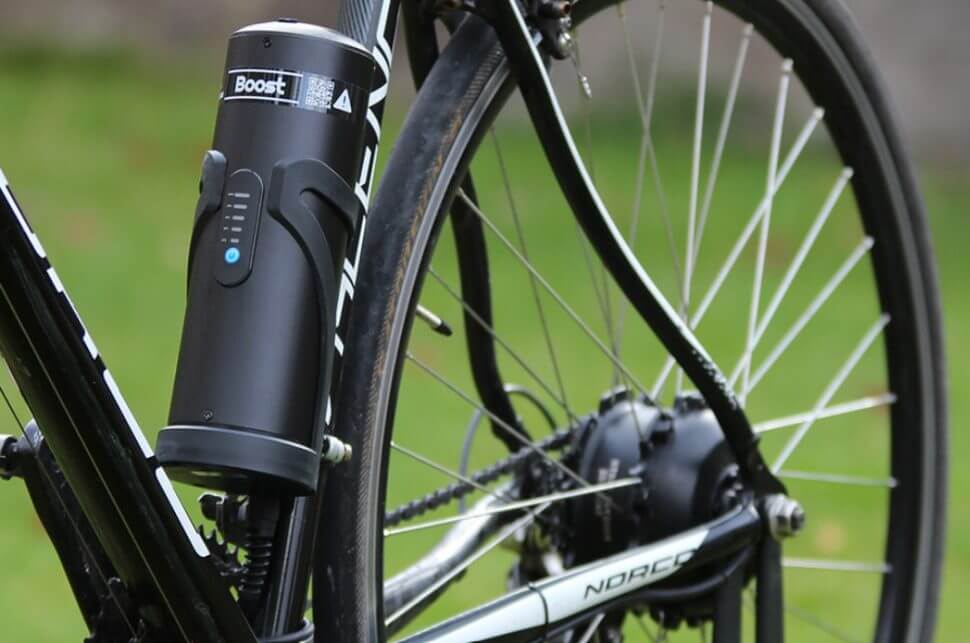
Why Choose E-Bike Conversion Kits in 2025?
Electric bike conversion kits in 2025 are reshaping the way riders experience commuting, adventure, and performance cycling. Rather than investing in an entirely new electric bicycle, conversion kits offer several compelling advantages:
Cost-Effectiveness: A quality conversion kit typically costs between $250-$1,400, while new e-bikes can range from $1,500-$5,000+. This makes conversion an attractive option for budget-conscious cyclists.
Customization Freedom: Unlike factory e-bikes, conversion kits allow you to maintain your favorite bike's feel while adding electric assistance exactly where you need it.
Environmental Benefits: Converting your existing bike reduces waste and extends the life of your current bicycle, making it an eco-friendly choice.
Top E-Bike Conversion Kit Types for 2025
Hub Motor Conversion Kits
Hub motor kits are convenient: they're cheap, easy to install, and require minimal upkeep. These systems attach directly to your bike's wheel hub and are available in front-wheel and rear-wheel configurations.
Front Hub Motors: Easier to install and compatible with most bikes. Perfect for commuting and light recreational riding.
Rear Hub Motors: Provide better traction and handling, especially when climbing hills or carrying cargo.
Mid-Drive Conversion Kits
Mid-drive kits offer a big advantage over e-bikes bought off the shelf: the inclusion of throttle. These systems integrate with your bike's drivetrain, offering superior power delivery and efficiency.
Key Benefits:
- Higher torque output for steep terrain
- Better weight distribution
- More natural pedaling feel
- Compatible with existing bike gears
2025's Hottest E-Bike Conversion Trends
High-Voltage Performance Systems
Kits like the KirbEbike 72V 4000W High Power Ebike Kit are leading the trend with high-voltage ebike conversion that delivers 55+ MPH speed and long-range power. These extreme performance kits are revolutionizing what's possible with DIY conversions.
Fat Tire Compatibility
More riders are choosing fat tire ebike kits for stability and all-terrain rides. These specialized kits accommodate wider frames and provide excellent performance on diverse terrain types.
Budget-Friendly Entry Options
Budget riders want simple, low-cost ways to upgrade to electric bikes, driving innovation in affordable conversion solutions that don't compromise on quality.
Best E-Bike Conversion Kits of 2025
Top Budget Pick: Entry-Level Hub Kits
- Price Range: $237-$400
- Power: 250W-500W
- Best For: Urban commuting, casual riding
- Installation: DIY-friendly, 1-2 hours
Mid-Range Champion: Balanced Performance
- Price Range: $500-$900
- Power: 750W-1500W
- Best For: Mixed terrain, longer commutes
- Installation: Moderate difficulty, 2-3 hours
Premium Powerhouse: High-Performance Systems
- Price Range: $1,000-$1,400+
- Power: 2000W-4000W+
- Best For: Speed enthusiasts, extreme terrain
- Installation: Advanced, may require professional help
DIY Installation Guide: Step-by-Step Process
Essential Tools Needed
- Bike repair stand
- Torque wrench
- Allen key set
- Cable cutters
- Electrical tape
- Basic multimeter
Installation Steps Overview
-
Preparation Phase (15-30 minutes)
- Remove existing wheel (front or rear)
- Gather all kit components
- Read manufacturer instructions thoroughly
-
Motor Installation (30-45 minutes)
- Set up the wheel with a disc rotor, tyre and inner tube and install that into the bike
- Ensure proper torque specifications
- Check alignment and spacing
-
Sensor Setup (15-20 minutes)
- Attach the cadence sensor – so it can tell when you're pedalling and need assistance
- Position sensors for optimal detection
- Secure all mounting hardware
-
Electronics Connection (20-30 minutes)
- Attach the battery and the LCD display and you're essentially good to go
- Route cables neatly to avoid damage
- Test all electrical connections
Professional Installation vs. DIY
Installation time depends on your Power Pack option and your personal skills, but it usually takes between 25 to 45 minutes for simpler kits. However, more complex mid-drive systems may require professional installation to ensure safety and optimal performance.
Key Compatibility Considerations
Frame Requirements
- Material: This is especially important with carbon ebike frames, which are lighter but have different tolerances than aluminum or steel
- Dropout Width: Common sizes are 135mm (QR) and 142mm (thru-axle)
- Bottom Bracket: For mid-drive motors, ensure the motor fits your BB (usually 68–73mm)
Electrical Specifications
- Voltage compatibility (24V, 36V, 48V, 72V)
- Controller amperage ratings
- Battery capacity requirements
- Display and throttle compatibility
Safety and Legal Considerations
UK/EU Regulations
In the UK electric bike laws mean that e-bikes are not permitted to have a power output of more than 250w and shouldn't propel the bike when it's travelling more than 15.5mph. Always ensure your conversion kit complies with local regulations.
Safety Upgrades
- Upgrade brakes to handle increased speed and weight
- Install proper lighting systems
- Consider helmet and protective gear upgrades
- Regular maintenance checks for electrical components
Cost Analysis: Conversion vs. New E-Bike
| Option | Initial Cost | Long-term Value | Customization |
|---|---|---|---|
| Conversion Kit | $250-$1,400 | High (keeps existing bike) | Maximum |
| New Budget E-Bike | $1,500-$2,500 | Medium | Limited |
| Premium E-Bike | $3,000-$8,000+ | High | Moderate |
Maintenance and Troubleshooting
Regular Maintenance Tasks
- Battery health monitoring
- Electrical connection inspection
- Motor performance checks
- Brake system evaluation
- Chain and drivetrain maintenance
Common Issues and Solutions
- Reduced Range: Check battery age, tire pressure, and assist settings
- Motor Cutting Out: Inspect connections and controller settings
- Display Errors: Reset system and check sensor alignment
- Charging Problems: Verify charger compatibility and battery condition
Future of E-Bike Conversions
The e-bike industry is evolving rapidly, offering exciting opportunities and challenges for riders. Expect to see continued innovations in:
- Lighter Components: Smaller motors and batteries without sacrificing power
- Smart Integration: App-controlled systems and GPS tracking
- Enhanced Safety: Advanced anti-theft features and improved battery safety
- Regulatory Changes: Stricter safety standards and licensing requirements
Conclusion
E-bike conversion kits represent an excellent opportunity to electrify your cycling experience without breaking the bank. Whether you choose a simple hub motor for urban commuting or a high-performance mid-drive system for adventure riding, 2025's conversion options offer unprecedented power, reliability, and value.
The key to a successful conversion lies in careful planning, proper installation, and ongoing maintenance. By understanding your needs, choosing compatible components, and following safety guidelines, you can transform your traditional bike into an electric powerhouse that serves you for years to come.
Ready to start your e-bike conversion journey? Research local regulations, assess your bike's compatibility, and choose a kit that matches your riding style and budget. The electric revolution is here – it's time to plug in and ride!
Looking for more e-bike insights and conversion tips? Explore our comprehensive e-bike guides for expert advice on choosing the perfect electric bike solution for your needs.