

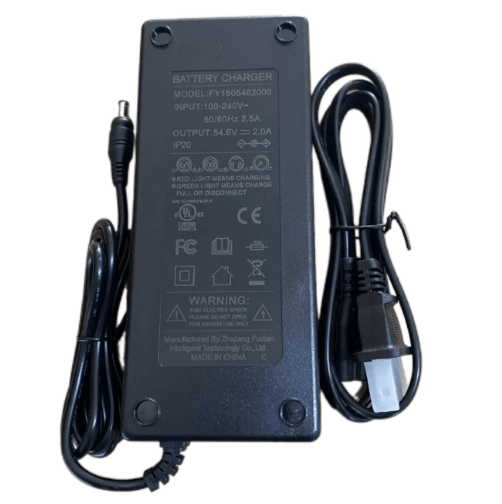
When to Replace Your E-Bike Battery: Warning Signs
Decreased Range Performance
The most obvious indicator for e-bike battery replacement is significantly reduced range. If you notice your bike can no longer travel as far as it used to - perhaps dropping from 35-40 miles to only 20-25 miles on a single charge - your battery is losing its capacity to hold charge effectively.
Key Range Warning Signs:
- 50% or more range reduction from original specifications
- Inconsistent power delivery during rides
- Sudden power cuts on hills or challenging terrain
- Inability to maintain speed at previous power levels
Charging Issues and Battery Health
Perhaps you've observed the charging time has grown much longer, or the battery doesn't charge to its full capacity. These signs might point to a battery that isn't retaining and dispersing power effectively.
Charging Red Flags:
- Extended charging times (over 8 hours for typical batteries)
- Incomplete charging despite full charge cycles
- Rapid discharge after charging
- Hot battery during charging process
Physical Battery Damage
A battery with a swollen or damaged casing is not just an eyesore; it's a potential hazard. If you notice any abnormalities in the shape, size, or integrity of your battery casing, immediate replacement is necessary for safety reasons.
E-Bike Battery Types and Replacement Options
Lithium-Ion Batteries: The Gold Standard
Lithium-ion batteries are regarded as the pinnacle of electric bikes. They're well known for great energy density, portability, and durability, providing enough torque and range because of their remarkable power-to-weight ratios.
Lithium-Ion Advantages:
- 1,000+ charge cycles before replacement needed
- Lightweight design (typically 4-7 lbs)
- Low self-discharge rate for extended storage
- Superior performance in various weather conditions
The theoretical life of a lithium battery is about 800 cycles, which is medium among commercially available rechargeable lithium batteries. However, high-quality lithium-ion batteries can exceed this expectation.
Battery Configuration and Cell Structure
Lithium-ion cells make up the majority of an e-bike battery. These cells are generally placed in a format called 18650 - 18 mm in diameter and 65 mm in length. Between 3200mAh and 3500mAh in capacity, each lithium-ion cell has a charge of about 1.5V.
Learn more about battery technology from the International Electrotechnical Commission.
E-Bike Battery Replacement Cost Guide 2025
Price Ranges by Battery Capacity
Replacing an e-bike battery typically costs between $300 and $1,000 depending on factors such as battery capacity, type, brand, and place of purchase.
2025 Battery Pricing:
Entry-Level Batteries (300-400Wh):
- Price range: $300-$500
- Ideal for: Short commutes, occasional riders
- Range: 15-25 miles per charge
Mid-Range Batteries (400-600Wh):
- Price range: $500-$700
- Ideal for: Daily commuting, regular urban travel
- Range: 25-40 miles per charge
High-Capacity Batteries (600-800Wh):
- Price range: $700-$1,000+
- Ideal for: Long-distance touring, mountain biking
- Range: 40-60+ miles per charge
Cost Factors Affecting Battery Prices
The brand you buy from has the largest impact on the cost of the battery. Truth be told, the reputation and popularity of a brand can affect the cost significantly.
Primary Cost Drivers:
- Brand reputation and warranty coverage
- Battery Management System (BMS) sophistication
- Voltage and amp-hour capacity
- Cell quality and manufacturing standards
- Certification requirements (UL, CE marking)
For competitive pricing on certified replacement batteries, explore Movcan's battery collection.
Step-by-Step E-Bike Battery Replacement Process
Safety First: Pre-Replacement Preparation
Before starting, ensure your e-bike is powered off and disconnected from any charging source. This will help prevent any electrical accidents.
Essential Safety Steps:
- Power down your e-bike completely
- Remove the key from the battery lock
- Wear safety gloves to protect hands
- Work in a dry environment away from moisture
- Have tools ready: appropriate wrenches, screwdrivers
Battery Removal Process
Depending on your e-bike model, the battery may be in a removable compartment or integrated into the frame. If it's removable, unlock it using the key provided and slide it out of the compartment.
Removal Steps:
- Locate battery compartment (frame-mounted, rear rack, or integrated)
- Use provided key to unlock battery mechanism
- Disconnect any cables carefully
- Support battery weight while removing
- Check for additional securing clips or screws
Installing Your New Battery
Before installing the new battery, inspect the connectors for any dirt or corrosion. Clean them gently with a dry cloth to ensure a good connection.
Installation Process:
- Clean all connectors with dry cloth
- Align new battery with mounting system
- Connect cables ensuring proper polarity
- Secure battery with lock mechanism
- Test connection before first ride
For detailed installation support, consult the Battery University's technical guides.
Choosing the Right Replacement Battery
Compatibility Considerations
Finding a battery that seamlessly integrates with your electric bike's motor system is essential for optimal performance. The battery and motor should perfectly synchronize to deliver the necessary power.
Critical Compatibility Factors:
- Voltage matching (36V, 48V, 52V systems)
- Physical dimensions and mounting style
- Connector types and wiring harness
- BMS communication with motor controller
- Weight distribution and balance
Capacity Selection Guidelines
Selecting the right voltage and capacity for your replacement battery depends on how you plan to use your electric bike. If you're an adventurous soul seeking long rides and challenging terrains, a higher voltage and larger capacity battery might be ideal.
Usage-Based Recommendations:
Urban Commuting:
- 36V 10-15Ah batteries sufficient
- Priority: Lightweight, quick charging
- Range needs: 20-30 miles daily
Weekend Recreation:
- 48V 12-17Ah for versatility
- Priority: Balanced range and power
- Range needs: 30-50 miles per ride
Long-Distance Touring:
- 48V 17-20Ah or dual battery systems
- Priority: Maximum range and reliability
- Range needs: 50+ miles per day
Browse Movcan's range-optimized e-bikes for models designed for extended riding.
Battery Lifespan and Maintenance Tips
Maximizing Battery Life
Your ebike battery should last between 500 to 1500 charge cycles - depending on its quality and the conditions in which you store it. This could mean anywhere from one year of use all the way up to five years before it needs a full replacement.
Longevity Best Practices:
- Avoid extreme temperatures during storage and use
- Charge regularly but avoid overcharging
- Store at 40-60% charge for long-term storage
- Use original chargers to prevent damage
- Keep battery clean and dry
Optimal Charging Strategies
Most rides don't require full battery charge - 85% to 20% would easily cover typical usage and helps extend battery life.
Smart Charging Practices:
- Partial charging (20-80%) for daily use
- Full cycles monthly for battery calibration
- Avoid deep discharge below 20%
- Temperature-aware charging (50-77°F optimal)
- Unplug when complete to prevent overcharging
OEM vs Third-Party Battery Options
Original Equipment Manufacturer (OEM) Benefits
For some older batteries – or even some current ones – there may be manufacturers other than the so-called OEMs who made the original batteries. If possible it is always best to go back to your dealer or the manufacturer directly to source an original battery.
OEM Advantages:
- Perfect compatibility guaranteed
- Warranty coverage and support
- Quality assurance from original manufacturer
- Integration with bike's systems
Third-Party Alternatives
Third-party batteries may be a solution where no original batteries appear to be available, but careful consideration is essential.
Third-Party Considerations:
- Cost savings of 20-40%
- Availability when OEM options are discontinued
- Compatibility verification required
- Warranty limitations compared to OEM
Battery Recycling and Environmental Impact
Responsible Battery Disposal
When batteries reach end of life, proper recycling is essential. Find recycling centers that accept lithium-ion batteries to minimize environmental impact.
Recycling Guidelines:
- Never dispose in regular trash
- Locate certified recycling centers
- Remove battery from bike before recycling
- Follow local regulations for hazardous materials
Find recycling options through the Call2Recycle program.
Environmental Benefits of Proper Replacement
Replacing aging batteries maintains e-bike efficiency, promoting continued use of sustainable transportation and reducing automotive emissions.
Cost-Effective Battery Replacement Strategies
When to Replace vs. Repair
Battery repair services can replace damaged cells and fix other issues, potentially extending the life of your battery for less money than buying a new one.
Repair Considerations:
- Minor cell issues may be repairable
- Cost typically 40-60% of replacement
- Performance limitations compared to new batteries
- Shorter warranty on repaired units
Timing Your Purchase
Money-Saving Tips:
- Off-season purchasing (winter months)
- Manufacturer promotions and rebates
- Trade-in programs for old batteries
- Bulk buying for fleet operators
Financing Options:
- Manufacturer payment plans
- Third-party financing services
- Warranty extensions for peace of mind
Upgrading vs. Standard Replacement
Battery Upgrade Possibilities
You can often upgrade to a higher-capacity battery when replacing your eBike battery, but you need to make sure that the new battery is compatible with your motor and electrical system.
Upgrade Considerations:
- Voltage compatibility with existing system
- Physical mounting requirements
- Controller programming adjustments
- Weight distribution impact on handling
When Upgrading Makes Sense
Ideal Upgrade Scenarios:
- Increasing daily range requirements
- Adding cargo capacity needs
- Improving hill-climbing performance
- Extending battery lifespan through higher quality
Professional vs. DIY Battery Replacement
DIY Replacement Benefits
Changing your e-bike battery might seem daunting, but fear not! Think of it like swapping out a flashlight battery, only just a bit more exciting.
DIY Advantages:
- Cost savings on labor
- Immediate replacement without shop delays
- Learning experience for future maintenance
- Convenience of home service
When to Choose Professional Service
Professional Service Recommended For:
- Integrated frame batteries requiring disassembly
- Complex wiring modifications needed
- Warranty considerations requiring certified installation
- Safety concerns with high-voltage systems
Future-Proofing Your E-Bike Battery Investment
Emerging Battery Technologies
Upcoming Innovations:
- Solid-state batteries with improved safety
- Graphene-enhanced lithium-ion cells
- Faster charging capabilities (15-30 minutes)
- Increased energy density for lighter weight
Preparing for Technology Evolution
Future-Ready Strategies:
- Modular battery systems for easy upgrades
- Universal mounting standards adoption
- Smart battery integration with apps
- Wireless charging infrastructure development
Learn about cutting-edge battery technology from MIT's Battery Research.
Conclusion: Mastering E-Bike Battery Replacement
E-bike battery replacement doesn't have to be overwhelming. By understanding the warning signs, cost factors, and replacement process, you can maintain optimal performance while maximizing your investment. Whether choosing OEM reliability or exploring third-party alternatives, prioritizing quality and compatibility ensures years of reliable electric mobility.
Key Takeaways:
- Monitor battery health regularly for early replacement planning
- Budget $400-$900 for quality replacement batteries
- Choose capacity based on your specific riding needs
- Follow safety protocols during replacement process
- Consider professional help for complex installations
Remember: A quality battery replacement can rejuvenate your e-bike's performance and extend its useful life significantly. With proper care and maintenance, your new battery will provide thousands of miles of efficient, enjoyable riding.
For certified replacement batteries and expert installation support, explore Movcan's complete battery solutions.